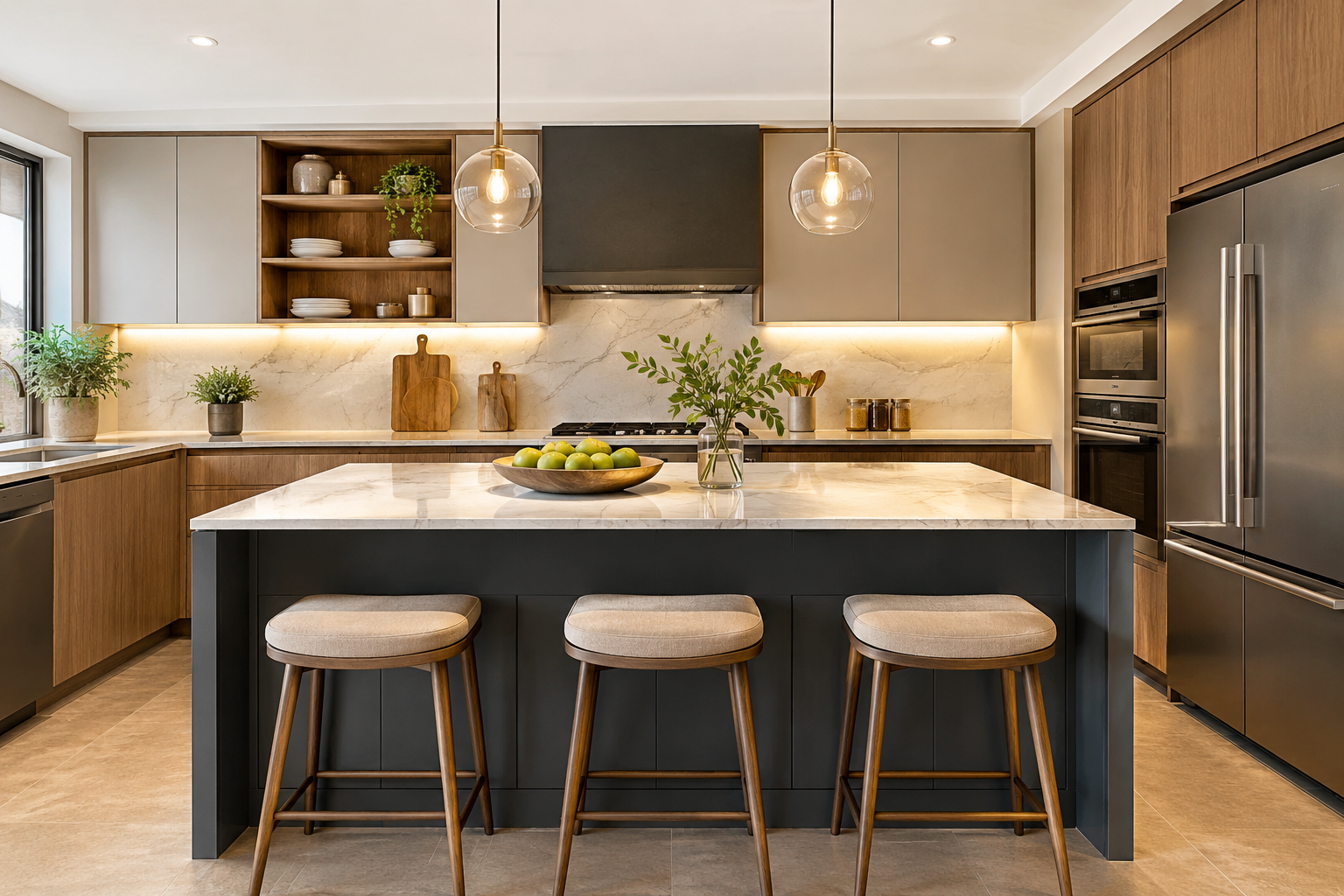
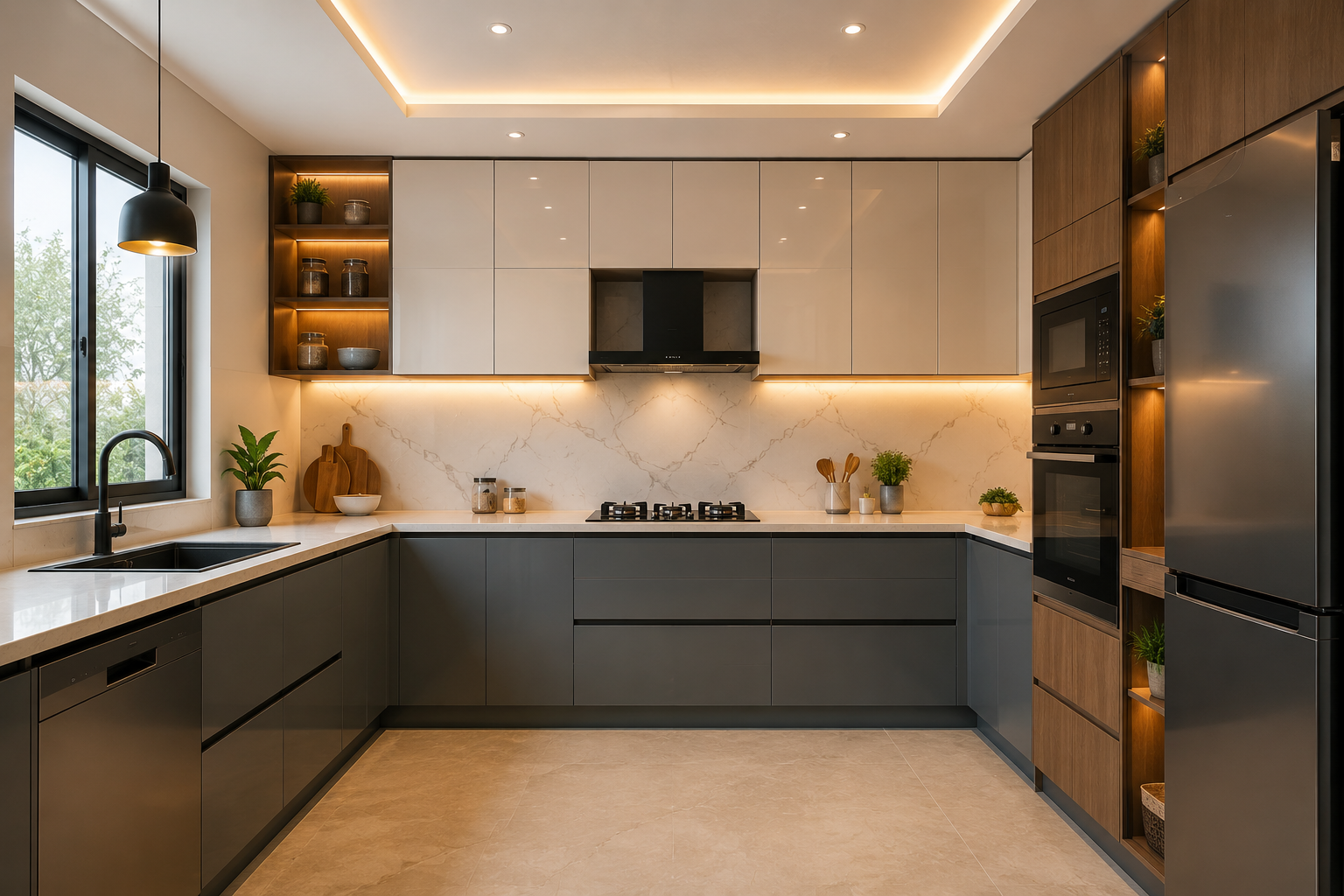
A modular kitchen should be more than a visually appealing part of your home. It should make cooking convenient, provide efficient storage, support easy movement, and complement your home's overall interior design. A well-planned kitchen combines practical layouts, durable materials, smart storage, suitable lighting, and attractive finishes.
Whether you have a compact apartment kitchen or a spacious independent house, thoughtful planning can help you create a space that is both functional and stylish. If you are considering Modular Kitchen Designs in Vizag, understanding the basics of kitchen planning can help you make better design decisions.
Start with the Right Kitchen Layout
The kitchen layout determines how efficiently you can move between different work areas. Before choosing cabinet colors or finishes, decide which layout works best for your space.
Common modular kitchen layouts include L-shaped, U-shaped, straight-line, parallel, and island kitchens. An L-shaped kitchen is suitable for many medium-sized homes because it provides good countertop space while leaving room for movement.
A straight-line kitchen can work well in compact apartments, while a parallel kitchen can provide separate preparation and cooking zones. U-shaped kitchens offer extensive storage and countertop space and are particularly useful for people who cook frequently.
For larger kitchens, an island can provide additional workspace and storage. However, there should be enough space around the island to allow comfortable movement and easy access to cabinets.
Plan Storage Based on Your Lifestyle
Storage is one of the most important elements of a modular kitchen. A beautiful kitchen can become difficult to use if there is insufficient or poorly organized storage.
Instead of simply adding more cabinets, consider what you regularly use. Everyday cookware should be easy to access, while less frequently used items can be placed in higher or deeper cabinets.
Drawers can be useful for utensils, cutlery, and cookware. Tall units can provide space for pantry items or larger appliances. Corner cabinets can also be fitted with specialized mechanisms that make difficult-to-reach areas more practical.
A good storage plan helps keep countertops clear and makes it easier to maintain an organized kitchen.
Choose the Right Countertop Material
The countertop needs to withstand regular cooking, heat, spills, and frequent cleaning. Therefore, appearance should not be the only consideration when selecting a countertop.
Granite and quartz are popular choices because they offer durability and come in various colors and patterns. Other surfaces may also be suitable depending on your budget, maintenance preferences, and interior style.
Consider the amount of preparation space you need between the sink and cooking area. If you regularly prepare elaborate meals, a larger uninterrupted countertop can make cooking considerably more comfortable.
The height of the countertop is another important consideration. It should be comfortable for the people who use the kitchen most often.
Select Durable Cabinet Materials
Kitchen cabinets are exposed to moisture, heat, stains, and constant opening and closing. Choosing suitable materials can therefore affect the longevity of your kitchen.
Common options include plywood, MDF, particle board, and other engineered materials. Each has different characteristics relating to strength, moisture resistance, finish, and cost.
For areas that are more exposed to water, selecting moisture-resistant materials and suitable protective finishes can be beneficial.
The quality of hinges, drawer channels, handles, and other hardware also matters. Good hardware can improve the daily usability of cabinets and drawers.
Choose a Color Scheme That Complements Your Home
Color can dramatically influence the appearance and atmosphere of your kitchen. While bold colors can create a statement, neutral shades can provide a timeless appearance.
White, beige, grey, cream, and natural wood tones can make a kitchen feel bright and spacious. Darker finishes can create a sophisticated appearance when balanced with adequate lighting and lighter elements.
You can also combine two cabinet colors to create visual interest. For example, lighter upper cabinets with darker lower cabinets can give the kitchen a balanced contemporary look.
When selecting colors, consider the flooring, wall color, backsplash, countertop, and other furniture in the surrounding area.
Make Lighting a Design Priority
Good lighting improves both the appearance and functionality of a kitchen. A single ceiling light may not provide sufficient illumination for countertops and cooking areas.
Layered lighting is a better approach. General ceiling lighting can illuminate the entire kitchen, while under-cabinet lighting can provide focused illumination on work surfaces.
Pendant lights can also be used above kitchen islands or breakfast counters. Besides providing light, they can become an attractive decorative feature.
Choose lighting that reduces shadows around important work areas so that food preparation and cleaning are easier.
Create an Efficient Work Triangle
An efficient kitchen should allow easy movement between the refrigerator, sink, and cooking area. These three points are often considered the key areas of kitchen activity.
Their placement should minimize unnecessary walking while leaving sufficient space for multiple people to use the kitchen when necessary.
For example, placing the refrigerator where it can be accessed without entering the main cooking zone can help reduce interruptions. Similarly, positioning the sink and cooking area within comfortable reach can improve workflow.
The exact arrangement depends on the room's dimensions and the locations of doors, windows, and utility connections.
Add Smart Kitchen Accessories
Modern modular kitchens can include accessories that make storage and organization easier. Pull-out pantry units, corner organizers, bottle racks, cutlery trays, and drawer dividers can help use available space efficiently.
However, accessories should be selected based on actual requirements rather than simply adding every available feature.
For smaller kitchens, vertical storage can be particularly useful. Tall cabinets and wall-mounted shelves can provide additional storage without taking up valuable floor space.
Integrate Appliances Thoughtfully
Appliance placement should be considered during the initial kitchen design rather than added as an afterthought.
Refrigerators, ovens, microwaves, dishwashers, chimneys, and other appliances should have appropriate space and access to required electrical or plumbing connections.
Built-in appliances can create a clean and streamlined appearance. However, their dimensions should be checked carefully before cabinets are manufactured.
Leave adequate ventilation around appliances wherever required and ensure that frequently used appliances are positioned conveniently.
Don't Ignore Ventilation
Proper ventilation is essential for maintaining a comfortable kitchen. Cooking generates heat, moisture, smoke, and odors, which can affect the indoor environment.
A good chimney or exhaust system can help remove cooking fumes. Windows and other ventilation openings can also contribute to airflow.
When planning the kitchen, avoid blocking existing windows with tall cabinets unless there is a specific design reason to do so.
Add Personal Style Without Sacrificing Functionality
A functional kitchen does not have to look ordinary. Decorative elements can make the space feel more personal while maintaining practicality.
You can introduce personality through backsplash designs, cabinet handles, pendant lighting, open shelves, wall art, indoor plants, or carefully selected accessories.
Open shelving can display attractive cookware or decorative items, although it should not replace essential closed storage because open shelves can collect dust and require regular cleaning.
For homeowners comparing Modular Kitchen Designs in Vizag, a balance between aesthetics and everyday usability is important. A design that looks impressive but does not provide adequate storage or comfortable movement may become inconvenient over time.
Furniture specialists such as Livincart can also be considered when planning coordinated furniture and interior solutions for different areas of the home.
Consider Maintenance Before Finalizing the Design
Your kitchen will require regular cleaning, so materials should be selected with maintenance in mind. Smooth cabinet finishes are generally easier to wipe down, while heavily textured surfaces may require more attention.
Choose countertops, backsplashes, handles, and cabinet finishes that can withstand your daily routine. Easy-to-clean materials can save time in the long run.
It is also useful to ensure that plumbing connections and essential hardware remain accessible for future maintenance.
Creating a functional and stylish modular kitchen requires more than selecting attractive cabinets. The layout, storage, materials, lighting, appliances, ventilation, and color scheme should work together to create a comfortable cooking environment.
The best Modular Kitchen Designs in Vizag are those that reflect the homeowner's lifestyle while making efficient use of the available space. By planning carefully and prioritizing both functionality and aesthetics, you can create a kitchen that remains practical, organized, and visually appealing for years.
FAQs
1. Which modular kitchen layout is best for a small home?
A) L-shaped and straight-line layouts are often suitable for compact kitchens because they use available space efficiently while leaving room for movement.
2. What should I consider when choosing modular kitchen materials?
A) Consider durability, moisture resistance, maintenance, appearance, and budget. Since kitchen cabinets experience frequent use, material and hardware quality are important.
3. How can I make a small modular kitchen look spacious?
A) Use lighter colors, efficient storage, adequate lighting, reflective surfaces, and streamlined cabinets. Reducing countertop clutter can also make the kitchen feel more open.
4. Are modular kitchens easy to maintain?
A) Yes. With suitable materials, smooth finishes, organized storage, and proper ventilation, modular kitchens can be relatively easy to clean and maintain.